With the prolific uptake of residential rooftop solar in Brisbane and Australia in general, homeowners may be prompted to consider the condition and serviceability of their roof — both by way of cladding condition and structural integrity — more than in previous decades before solar existed and became so popular. Homeowners are discovering the critical importance of roof condition before committing to their solar investment.
The surge in residential rooftop solar installations across Queensland has prompted homeowners to scrutinise their roof condition more carefully than once before. This heightened awareness isn't just about aesthetics — it's about undertaking the solar installation in the correct chronological steps to avoid wasted money in the future of temporary removal and installation of solar panels.
Solar installers are increasingly cautious about working on compromised roofs, particularly older terracotta tiles or structurally questionable surfaces. In many cases, they'll refuse installation entirely rather than inherit potential liability for existing roof problems.
Why Roof Condition Matters for Solar
Longevity and Performance Impact
Solar panels are engineered to last 25–30 years, but their overall value can be severely compromised when installed on a deteriorating roof. A professionally restored roof provides the solid foundation your solar system needs, preventing future issues like leaks, structural instability, and the cost of temporary panel removal.
Cost Savings Through Strategic Planning
The financial benefits of roof restoration before solar installation are substantial. If your roof is nearing the end of its serviceable life or showing signs of damage, addressing these issues beforehand is significantly more cost-effective than reactive repairs. Post-installation roof repairs often require panel removal and reinstallation, potentially doubling your maintenance costs.
Future-Proofing Your Investment
By addressing roof issues before solar installation, you're creating a solid foundation that protects both investments. This proactive approach ensures your roof and solar panels can function optimally throughout their respective lifespans, maximising your return on investment.
What Does a Professional Roof Restoration Involve?
A professional roof restoration is a comprehensive process that rejuvenates your roof to its original integrity, condition, and aesthetic appearance. In most instances when someone refers to a roof restoration they are referring to a specific set of tasks or processes, usually performed on a concrete tiled roof that rejuvenate or restore the roof to its original integrity. For concrete tiled roofs — the most common type across Australia — this typically involves:
- High-pressure cleaning of all roof surfaces
- Re-bedding and re-pointing of ridge caps
- Replacing broken or cracked tiles
- Applying primer and two coats of roof membrane coating
- Valley and flashing inspection and repairs
The end result is an impervious, leak-free roof surface that looks brand new and provides optimal conditions for solar panel installation. The roof should not need any further work for 15–20 years following the professional roof restoration.
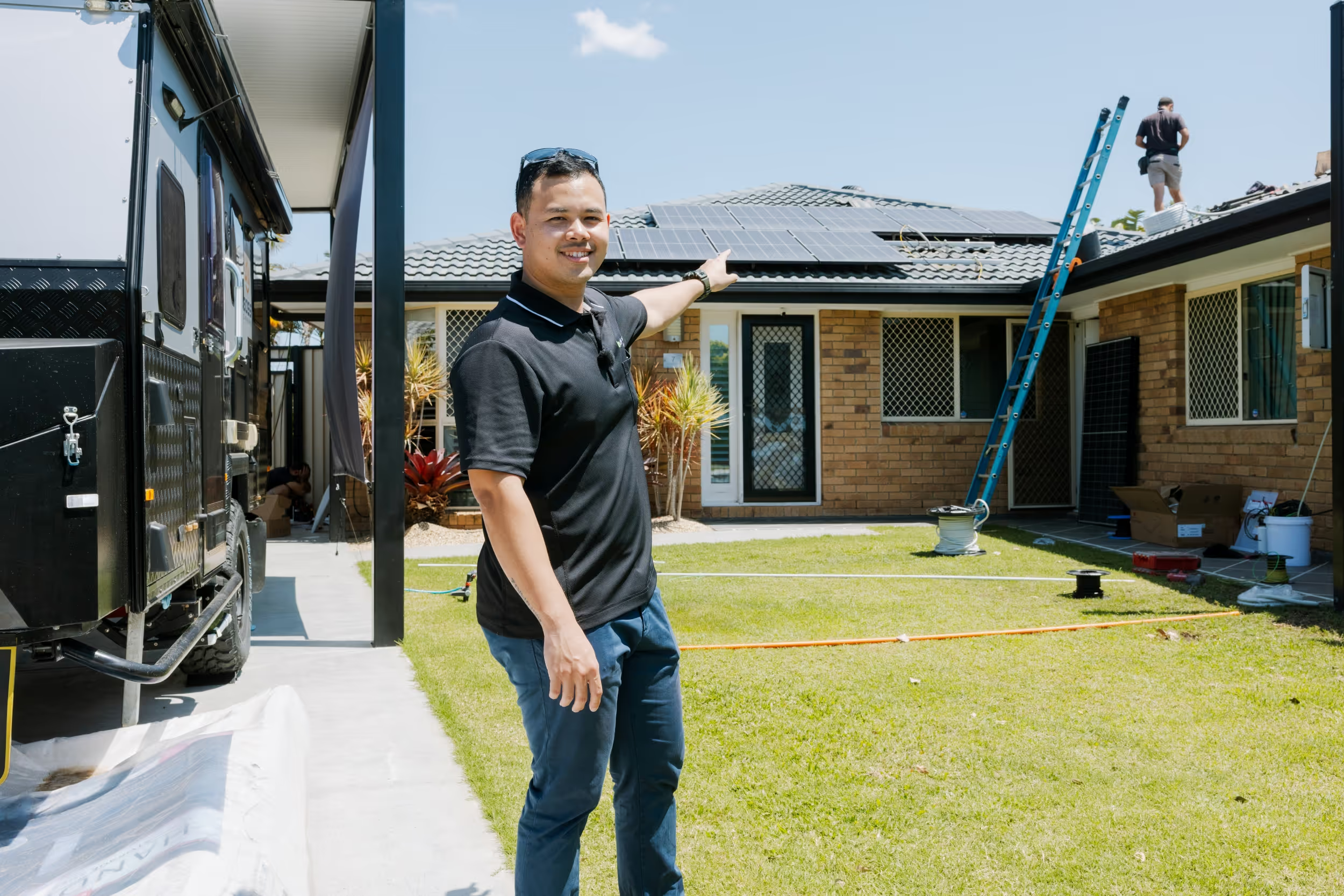
A fully completed roof restoration undertaken in the Brisbane suburb of Parkinson. Post roof restoration solar panel re-installation completed.
Can Roof Restoration Be Done With Existing Solar Panels?
Absolutely! Roof restoration with existing solar panels is common practice across Brisbane and the Gold Coast. Professional contractors typically use one of two approaches:
Option 1: Panels Remain in Place
In most instances, solar panels remain in place during restoration work. While none of the roof area under the solar panels can be accessed, skilled roof restorers can clean and coat the roof slightly under the panel edge lines, ensuring no original roof colour remains visible from ground level.
Option 2: Temporary Panel Removal
For more comprehensive roof restoration, roofers often recommend temporary solar panel removal. This involves removing only the panels themselves while leaving all rails, mounting hardware, and wiring intact. The solar inverter is simply switched off and isolated during the work period.
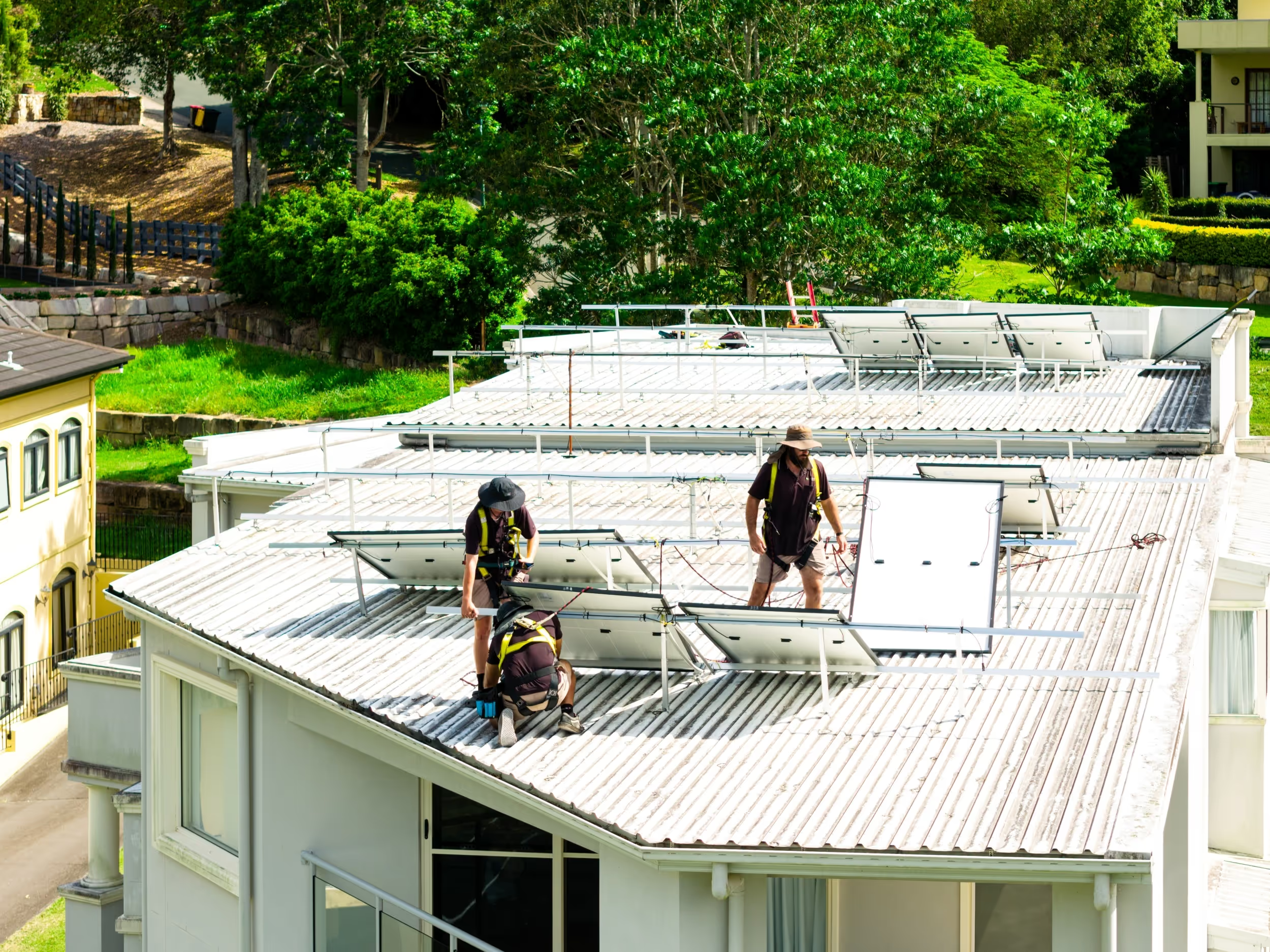
Solar panel removal almost completed by the LMS Electrical team prior to roof restoration commencing. Note solar panel rails remain on the roof.
How Much Does Temporary Solar Panel Removal Cost?
As no roof is the same as the next, so too can be said for the price of solar panel temporary removal and reinstallation. A typical rate in Brisbane for temporary solar panel removal and reinstallation for a low set, single storey home with a standard solar panel array is generally around:
- Temporary removal: $800 – $1,200
- Reinstallation: $800 – $1,200
- Total: $1,600 – $2,400
These rates cover panel removal and reinstallation only, with all mounting hardware remaining in place.
Should You Upgrade Your Solar System Instead?
Solar technology has advanced dramatically over the past decade. Modern panels deliver significantly higher power output and efficiency while costs have decreased substantially. Many homeowners are choosing complete system upgrades rather than reinstalling older systems as this often presents better long-term value, all things considered.
Example Comparison
- 2015 system: 5kW array with 20 x 250W panels
- 2025 equivalent: 8.3kW array with 20 x 415W panels
- Performance gain: 66% more power from the same roof space
Current Brisbane Solar Market Pricing (2025)
- 6.6kW system: from $3,500 – $5,500
- 10kW system: from $5,500 – $8,000
- 13kW system: from $7,000 – $10,500
- Battery add-on (10kWh): from $8,000 – $12,000
All prices net of rebates, including new battery rebates.
The Ideal Sequence: Roof Restoration + Solar Installation
It's always best to install a new solar panel array to a roof that is problem-free and up to a good standard of maintenance. Conversely it can be a big waste of money to install a solar panel array to a roof in poor condition that will really need a roof restoration or repair in several years' time. The ideal sequence of events when combining a roof restoration and new solar panel installation delivers a better outcome for both the trades involved and the homeowner.
The most cost-effective and efficient approach combines roof restoration with new solar installation in a strategic sequence:
Stage 1: Solar Bracket Installation
Solar installers fit mounting brackets directly to rafters or top truss chords. This process involves:
- Lifting tiles to access rafters
- Securing stainless steel brackets to structural members
- Replacing tiles around brackets
- Installing flashing to weatherproof each penetration point
Stage 2: Roof Restoration
With brackets installed and all tile movement complete, restoration begins:
- High-pressure cleaning (brackets are cleaned with the roof)
- Re-bedding and re-pointing ridge caps
- Full membrane coating application
- All bracket penetrations are sealed within the restoration process
Completed roof restoration with solar bracket install. Final stage of solar installation now to come.
Stage 3: Final Solar Installation
Final solar installation includes:
- Attaching rails to pre-installed brackets
- Mounting solar panels to rail system
- Completing all electrical connections
- System testing and commissioning
This sequence ensures both the roof restoration and solar installation teams can work efficiently without interference, delivering optimal results for both investments.
Assessing Your Roof Before Solar Installation
Before committing to solar installation, consider these key factors:
Surface Condition
- Are tiles cracked, broken, or missing?
- Is the ridge capping bedding deteriorating?
- Are there signs of moss, lichen, or surface degradation?
- How old is the existing roof coating or paint?
Modern Assessment Technology
Professional drone inspections provide comprehensive roof condition reports without the safety risks and costs of manual inspections. This technology allows for detailed assessment of hard-to-reach areas and provides photographic evidence of problem areas. Any area of a roof can be closely inspected and all recorded on video for repeat viewing. With modern drone technology the drone is able to get very close to the roof surface and conduct a thorough inspection.
Choosing the Right Contractors
When getting a roof restoration and new solar panel installation, two independent building work contractors will be engaged to undertake each respective task. A Brisbane roofing company and solar installer will be required to get the work done. The licences of each contractor are public information and it's best to look up the currency and licence class of each trade before engagement. Another important due diligence check in QLD is to check that each contractor is following the QBCC rules by way of Home Warranty Insurance. As each job will be valued over $3,300 the contractors are required to take out a Home Warranty Insurance policy over the job.
Licensing Verification
- Check QBCC licence status for both roofing and solar contractors
- Verify licence class covers the scope of work
- Confirm Home Warranty Insurance is in place for jobs over $3,300
- Request proof of public liability insurance
The Bottom Line
The question isn't whether you should consider roof restoration before solar installation — it's whether you can afford not to. The combination of enhanced performance, extended lifespan, reduced maintenance costs, and improved property value makes this decision financially sound and provides a worry-free future regarding their roof for most Australian homeowners.
"We consistently see homeowners who wish they'd addressed their roof condition before solar installation. The combination of a professionally restored roof and new solar system creates the perfect foundation for decades of optimal performance and peace of mind."
Why Professional Assessment Matters: A thorough roof assessment before solar installation can identify potential issues that might not be obvious to the untrained eye. Professional contractors can spot concerns, weatherproofing problems, and maintenance issues that could compromise your solar investment.
While the upfront cost of roof restoration might seem significant, the long-term benefits far outweigh the initial investment. A properly restored roof provides the ideal foundation for solar panels, ensuring both systems can deliver maximum performance throughout their operational lifespans.
Don't let a compromised roof undermine your solar investment. For Brisbane homeowners considering professional roof restoration services, proper planning and expert guidance are essential for maximising both your roof and solar investments.
Remember: The best time to restore your roof is before you need to. The smartest time is before your solar installation. Make both investments work harder for you with proper planning and professional execution.
Planning a roof restoration before solar installation is one of the smartest decisions Australian homeowners can make. With proper timing and professional execution, you'll protect both investments while maximising performance and value for decades to come.